 0
 0
Two special days in the Catholic calendar remind us of the beauty of holiness, the power of faith, and the enduring bond between the living and the dead.
Every year, on November 1 and 2, millions of Catholics around the world observe two deeply meaningful occasions: All Saints’ Day and All Souls’ Day. In many countries, these days are marked by church services, visits to cemeteries, flowers, candles, and family gatherings. But beyond these familiar traditions lies a much deeper message about faith, remembrance, hope, and eternal life.
Although the two celebrations fall on consecutive days, they have different meanings and purposes. Together, however, they express one of the most beautiful beliefs of the Catholic Church: that death does not end our connection with those who have gone before us.
November 1: All Saints’ Day – Celebrating Those Who Have Reached Heaven
All Saints’ Day, known in the Catholic Church as Solemnity of All Saints, is celebrated every November 1. It is a day dedicated not only to officially recognized saints, such as St. Francis of Assisi, St. Teresa of Calcutta, and St. John Paul II, but also to the countless men and women who lived holy lives and are now believed to be in God’s presence.
Many of these holy people never became famous. Their names may never appear in history books, and they may never have been formally canonized by the Church. Yet they lived lives of extraordinary love, kindness, courage, generosity, and faith.
The celebration reminds Catholics that sainthood is not reserved for a select few. Every Christian is called to holiness through everyday actions: caring for others, forgiving those who have hurt us, helping people in need, standing up for what is right, and living according to the teachings of Jesus Christ.
Why do we celebrate All Saints’ Day?
The day honors the example of all saints and reminds us that holiness is possible for everyone. It also encourages believers to follow their example and remain faithful to God despite life’s challenges.
The origins of the celebration go back to the early centuries of Christianity, when Christians honored martyrs who had died for their faith. Over time, the Church established a common feast to remember all saints, including those whose names and stories are known only to God.
November 1 became the universally observed date in the Western Church during the time of Pope Gregory III in the eighth century, with its observance later extended throughout the Western Church.
November 2: All Souls’ Day – Remembering Our Departed Loved Ones
The day after All Saints’ Day, November 2, the Catholic Church observes All Souls’ Day, also called the Commemoration of All the Faithful Departed.
While All Saints’ Day celebrates those believed to be already in heaven, All Souls’ Day is dedicated to remembering and praying for all those who have died, particularly those who are believed to be undergoing purification before entering the fullness of God’s presence.
According to Catholic teaching, this purification is called purgatory. It is not understood as a second chance after death, but as a process of purification for those who die in God’s grace but are not yet fully purified.
Catholics believe that prayers, good works, and especially the celebration of the Holy Mass can be offered for the souls of the departed.
Why do we celebrate All Souls’ Day?
The day expresses the Catholic belief in the Communion of Saints — the spiritual unity of all members of the Church: those living on earth, those undergoing purification, and those already enjoying eternal life in heaven.
It is a special opportunity to pray for the deceased, remember their lives, give thanks for the love they shared with us, and entrust them to God’s mercy.
The observance of All Souls’ Day became especially associated with November 2 through St. Odilo of Cluny, who encouraged monasteries under his leadership to pray for all the faithful departed around the year 998. The practice gradually spread throughout the Western Church.
The Traditions: Candles, Flowers, and Visits to Cemeteries
In many Catholic countries, November 1 and 2 are observed through traditions that bring families and communities together.
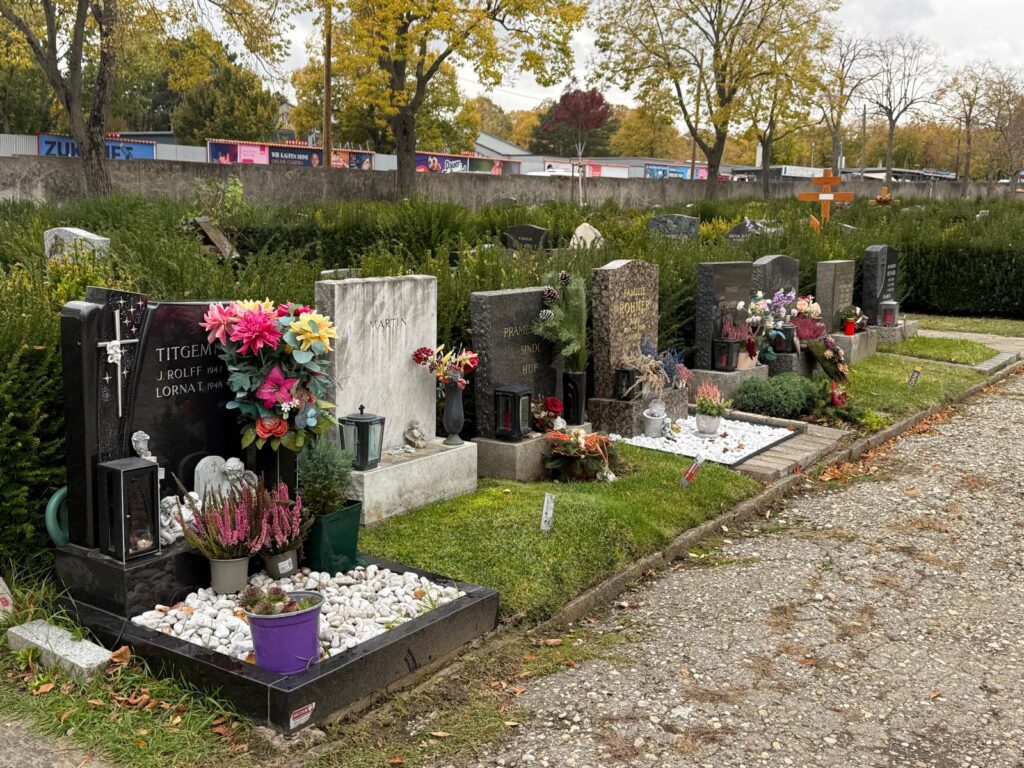
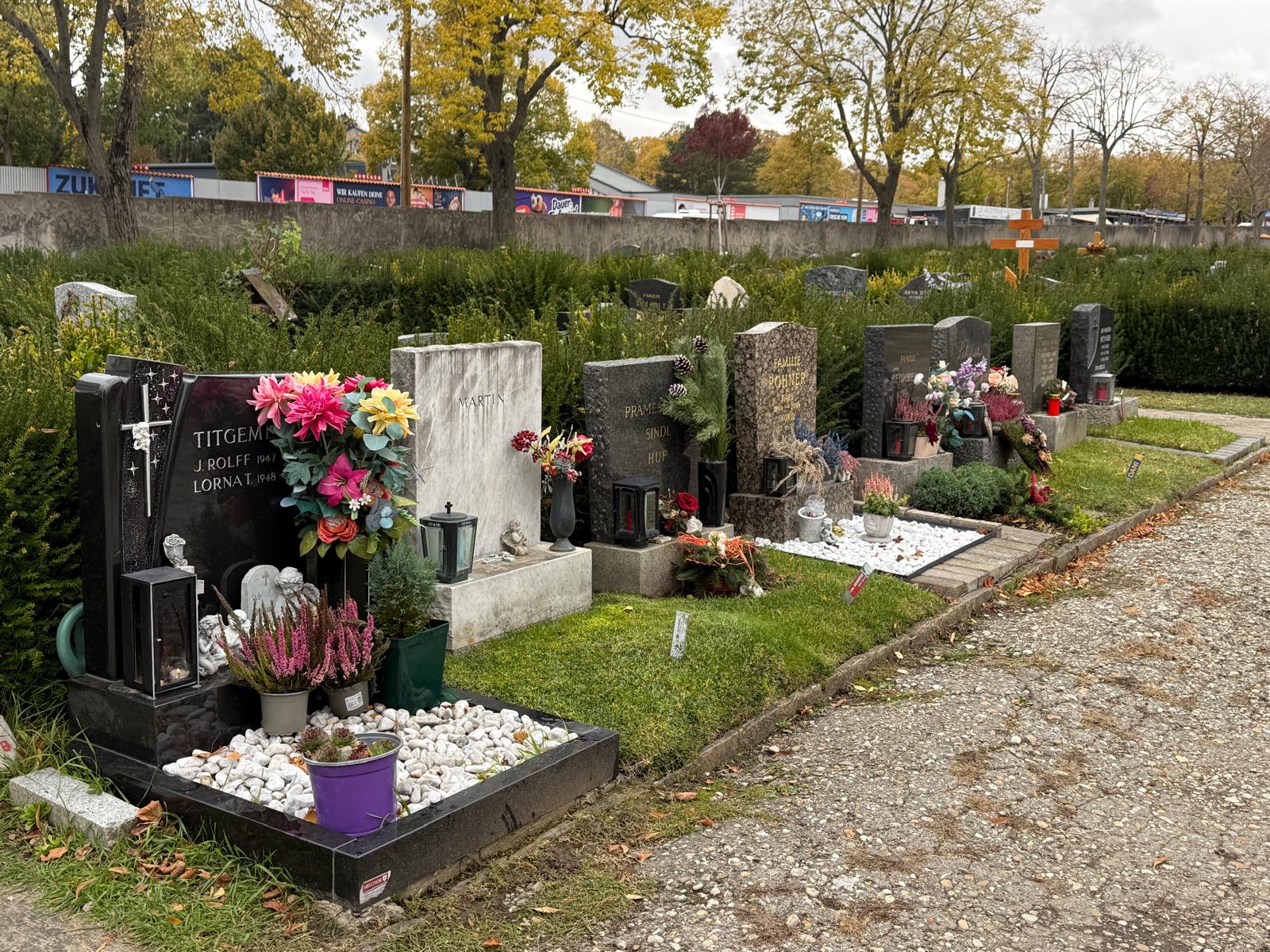
One of the most familiar practices is visiting cemeteries to clean and decorate the graves of deceased relatives with flowers and candles. Families gather to pray, attend Mass, and spend time remembering those who have passed away.
The lighting of candles carries a particularly meaningful symbolism. The flame represents Christ, the Light of the World, and serves as a sign of faith, hope, and the belief in eternal life.
Flowers, meanwhile, express love, respect, and remembrance. They are a visible reminder that even though our loved ones are no longer physically present, the memories and love they left behind continue to live in our hearts.
In the Philippines, these celebrations are collectively known as Undas. Families often travel long distances to visit their ancestral graves, bringing flowers, candles, food, and prayers. Cemeteries become places of family reunions, reflection, and remembrance.
In Austria and other parts of Europe, families traditionally visit cemeteries, decorate graves with flowers and lanterns, and attend church services. The graves are often beautifully illuminated, creating a peaceful atmosphere of remembrance and prayer.
Despite differences in customs and traditions, the message remains the same: we remember, we pray, and we celebrate the lives of those who came before us.
All Saints’ Day and All Souls’ Day: What Is the Difference?
Although closely connected, the two celebrations have distinct meanings:
- All Saints’ Day (November 1): Honors all saints in heaven, both known and unknown, and celebrates their lives of faith and holiness.
- All Souls’ Day (November 2): Remembers all the faithful departed and encourages Catholics to pray for the souls of those who have died.
One celebrates the glory of those who have reached heaven; the other expresses love, prayer, and hope for all who have died.
Both celebrations are rooted in the Catholic belief that life continues beyond death and that the bond of faith and love is not broken by the grave.
A Time to Remember, Give Thanks, and Hope
In today’s fast-paced world, All Saints’ Day and All Souls’ Day invite us to slow down and reflect on what truly matters.
They remind us that the greatest legacy a person can leave is not wealth, fame, or material possessions, but a life filled with love, compassion, generosity, and faith.
For those who have lost parents, grandparents, siblings, friends, or other loved ones, these days can also bring sadness and longing. Yet the Catholic message is one of hope: we believe that death is not the final chapter of our story.
As Christians, we are reminded of Jesus’ words in the Gospel of John (11:25):
“I am the resurrection and the life. Whoever believes in me will live, even though they die.”
This promise lies at the heart of both celebrations.
All Saints’ Day encourages us to become better people and follow the example of those who lived holy lives. All Souls’ Day reminds us to pray for those who have died and to cherish the memories of everyone who has touched our lives.
Ultimately, November 1 and 2 are more than religious dates on the calendar. They are days of gratitude, remembrance, faith, and hope — reminding us that love does not end with death, and that in God’s promise of eternal life, we are never truly separated from those we love.
- Hector Pascua


This post has already been read 58 times!